Heritage Kanaani Farms

Our Coffee

Robusta coffee

Fine Robusta Coffee

Video Thumbnail

Installing solar panels on your farm is a smart, cost-effective, and sustainable way to power your operations while reducing energy bills. With solar energy, you can keep your irrigation systems, greenhouses, storage facilities, and other farm equipment up and running — all while reducing your carbon footprint and strengthening your farm’s resiliency.
 At Growkin, our team of solar experts is experienced in designing and installing solar power systems for agricultural properties, ensuring you get a solution tailored to your farm’s unique energy needs.

Arabica coffee

Single-origin Speciality Arabica Coffee

Video Thumbnail

Installing solar panels on your farm is a smart, cost-effective, and sustainable way to power your operations while reducing energy bills. With solar energy, you can keep your irrigation systems, greenhouses, storage facilities, and other farm equipment up and running — all while reducing your carbon footprint and strengthening your farm’s resiliency.
 At Growkin, our team of solar experts is experienced in designing and installing solar power systems for agricultural properties, ensuring you get a solution tailored to your farm’s unique energy needs.

Liberica coffee

Liberica/ Excelsa Coffees

Video Thumbnail

Installing solar panels on your farm is a smart, cost-effective, and sustainable way to power your operations while reducing energy bills. With solar energy, you can keep your irrigation systems, greenhouses, storage facilities, and other farm equipment up and running — all while reducing your carbon footprint and strengthening your farm’s resiliency.
 At Growkin, our team of solar experts is experienced in designing and installing solar power systems for agricultural properties, ensuring you get a solution tailored to your farm’s unique energy needs.
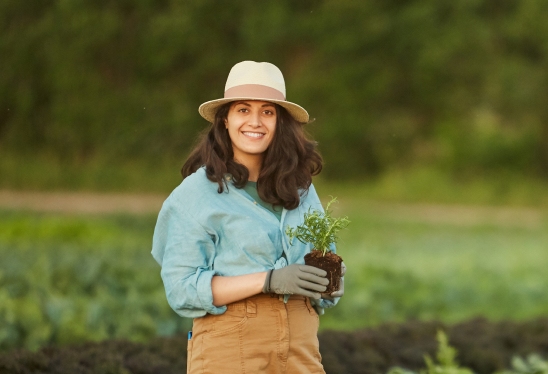
Join the Sustainable Innovation Today!

Are you ready to take your first step toward a more sustainable and efficient future?


With our innovative agricultural solutions, you can reduce your operational costs, maximize yields, and contribute to a growing, green agricultural ecosystem. Contact us today and let’s grow together!

Our Coffee Processing

From bean to cup, discover the journey of our specialty coffee

1. Planting

Coffee cultivation begins with carefully selected seeds raised into healthy seedlings. Once vigorous enough, they are transplanted into prepared fields with fertile soils. Through proper spacing, mulching, pruning, and regular care, the trees mature over three to four years before producing cherries.

2. Flowering & Cherry

Healthy coffee trees produce fragrant white blossoms that gradually transform into green cherries. With adequate rainfall, sunshine, and careful farm management, the cherries steadily mature over several months until they develop their bright red color, signaling optimum ripeness for harvesting.

3. Harvesting

Only fully ripe red cherries are handpicked to preserve exceptional coffee quality. Farmers avoid stripping entire branches, selecting individual cherries instead. This careful harvesting method protects future production, ensures uniform ripeness, minimizes defects, and delivers superior flavor in every harvest season.

4. Wet Processing

Freshly harvested cherries are manually pulped to remove the outer skin before fermentation for at least twelve hours. The beans are thoroughly washed to remove mucilage, producing clean parchment coffee while preserving flavor, freshness, and protection from environmental conditions during storage.

Drying

The parchment coffee is spread evenly on raised drying beds under natural sunlight. Farmers regularly turn the beans to achieve consistent moisture levels, preventing mold and preserving distinctive flavors. Careful drying produces premium coffee with excellent aroma, sweetness, and cup quality.

Roasting & Packaging

After quality grading, selected coffee is expertly roasted to unlock its unique aroma, body, and flavor profile. The roasted beans are cooled, ground when required, and carefully packaged to preserve freshness, ensuring customers enjoy consistently exceptional coffee from every purchase.

Technical Specification for Solar Panel System

Note: The technical specification may vary based on the specific requirements of the project.

Photovoltaic Modules:

  • Type: Polycrystalline or Monocrystalline
  • Peak Power Output: 250W to 340W
  • Number of Cells: 60 or 72
  • Dimensions: 1580mm x 808mm x 40mm

Inverter:

  • Type: Grid-Tied or Off-Grid
  • Power Output: 2.5kW to 5kW
  • Efficiency: 97%
  • Operating Voltage: 230VAC

Mounting System:

  • Type: Roof or Ground
  • Material: Aluminum or Steel
  • Maximum Wind Load: 60 mph
  • Snow Load: 30 lbs/sq ft

Wiring and Cabling:

  • Type: MC4 Connectors
  • Cable Size: 4mm2 to 6mm2
  • Maximum Operating Temperature: 90°C

Batteries:

  • Type: Lead-Acid or Lithium-Ion
  • Capacity: 12V to 48V
  • Maximum Charge/Discharge Current: 100A

Monitoring System:

  • Type: Web-Based or App-Based
  • Real-time Data Monitoring: Available
  • Historical Data Analysis: Available

Innovation Generation for DEF Ltd

WhatsApp